Share Trading App India for Daily Market Research and Trading
Investors and traders need access to market information, company data, price movements, and trading tools when making decisions in the stock market. Managing these activities manually can be difficult, particularly when markets are changing throughout the trading session. A suitable Online Trading App can bring market information, portfolio tracking, and order management into a single platform.
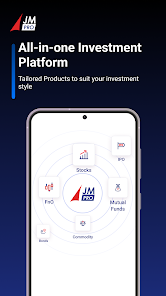
A trading app India platform may offer features such as live or delayed market data, stock charts, watchlists, order placement, portfolio tracking, and transaction history. However, the right features depend on whether the user is investing for the long term, trading regularly, or simply researching stocks before making an investment decision.
What Is a Share Trading App?
A share trading app is a digital platform that allows users to access stock market information and, where supported, place orders to buy or sell securities. The app is generally connected to a trading account and may also be linked with a demat account for holding eligible securities.
Depending on the provider, users may be able to trade equities, exchange-traded funds, derivatives, or other market instruments.
Before using any platform, users should understand which securities are supported and what charges apply to different transactions.
Features to Consider in a Trading App
Market Data
Market data is an important part of stock research and trading. A trading platform may provide stock prices, percentage changes, trading volume, market depth, and other information.
Users should check whether the data is real-time or delayed, particularly if they plan to use the platform for active trading.
Stock Charts
Charts help users study historical price movements across different time periods. Depending on the app, traders may also find technical indicators and drawing tools.
Charts can support technical analysis, but they should not be considered a complete substitute for understanding the company's financial position and broader market conditions.
Watchlists
A watchlist allows users to follow selected stocks without holding them in their portfolio. Investors can add companies they are researching and monitor price changes over time.
Watchlists can also help organise stocks according to sectors, investment themes, or personal research criteria.
Order Management
An Online Trading App may allow users to place different types of orders depending on the services offered by the provider.
Common order types can include market orders and limit orders. Some platforms may also provide stop-loss-related order options.
Users should understand how each order type works before placing an order because execution conditions can vary according to market circumstances.
Using an App for Daily Market Research
Market research does not necessarily mean buying or selling securities every day. Investors can use a trading app India platform to follow companies, review price movements, and monitor market developments without making frequent transactions.
Follow Selected Companies
Rather than monitoring every stock listed on an exchange, investors can create a focused watchlist based on their areas of interest.
Company announcements, financial results, corporate actions, and other disclosures can then be reviewed when relevant.
Review Historical Price Data
Historical charts can help investors understand how a stock has behaved over different periods. They can compare short-term movements with longer-term trends.
However, historical performance does not guarantee future returns. Market conditions and company fundamentals can change.
Track Corporate Information
Company results and official disclosures can provide information about revenue, profits, debt, cash flow, business developments, and other factors.
Investors should consider such information alongside valuation and industry conditions rather than relying only on share-price movements.
Portfolio Tracking and Management
Many trading platforms include portfolio sections where users can review their current holdings.
Information may include:
- Quantity held
- Average purchase price
- Current market value
- Unrealised gains or losses
- Transaction history
- Portfolio allocation
Regular portfolio reviews can help investors understand their current exposure. However, frequent changes are not necessarily required simply because prices move from one trading session to another.
Understanding Trading Charges
Before selecting a trading platform, users should review its complete pricing structure.
Possible charges can include brokerage, transaction fees, taxes, account-related charges, and other applicable costs. The exact cost can depend on the security, transaction type, order value, and service being used.
A platform should be evaluated based on its overall cost structure rather than a single advertised charge.
Security When Using Trading Apps
Trading accounts contain financial and personal information, making account security important.
Users should use strong passwords and appropriate authentication methods where available. Login credentials, PINs, and one-time authentication codes should never be shared with another person.
It is also advisable to keep the trading application and mobile device updated and to avoid accessing financial accounts through unsecured networks.
Users should regularly review account statements and transaction notifications. Any unfamiliar transaction should be reported through the provider's official support channels.
Choosing an App for Different Trading Needs
Not every trader requires the same set of tools.
Long-Term Investors
Long-term investors may place greater importance on portfolio tracking, company research, financial information, transaction records, and investment reporting.
They may not require advanced intraday trading tools if they make transactions infrequently.
Active Traders
Active traders may need faster market information, advanced charts, order types, market depth, and other trading-related features.
They should also pay close attention to applicable transaction charges because frequent trading can increase total costs.
New Investors
Beginners may benefit from a platform with a simple interface, clear account information, educational resources, and straightforward order placement.
New users should understand how orders work before using real money in the market.
How to Use a Trading App Responsibly
A trading platform should be treated as a tool for accessing and managing investments rather than as a reason to trade more frequently.
Users can begin by setting clear investment or trading objectives. They can then create watchlists, research selected securities, review relevant information, and maintain transaction records.
Using an Online Trading App in this structured manner can help users organise their market activities without relying entirely on short-term price movements.
Conclusion
A trading app India platform can provide convenient access to stock prices, charts, watchlists, portfolio information, and order-management tools. The appropriate platform depends on the user's investment objectives, trading frequency, preferred securities, required features, and understanding of applicable charges.
An Online Trading App can make market research and trading activities easier to manage, but it does not remove investment risk. Users should research securities carefully, understand order types and costs, protect their account information, and make decisions according to their own financial objectives and risk tolerance.